Crawl Space Encapsulation: What It Is and Whether Your DC Home Needs It
Vapor barriers, sealed vents, drainage and dehumidification — how encapsulation turns a damp crawl space into a clean, dry part of the house.
Read the guide →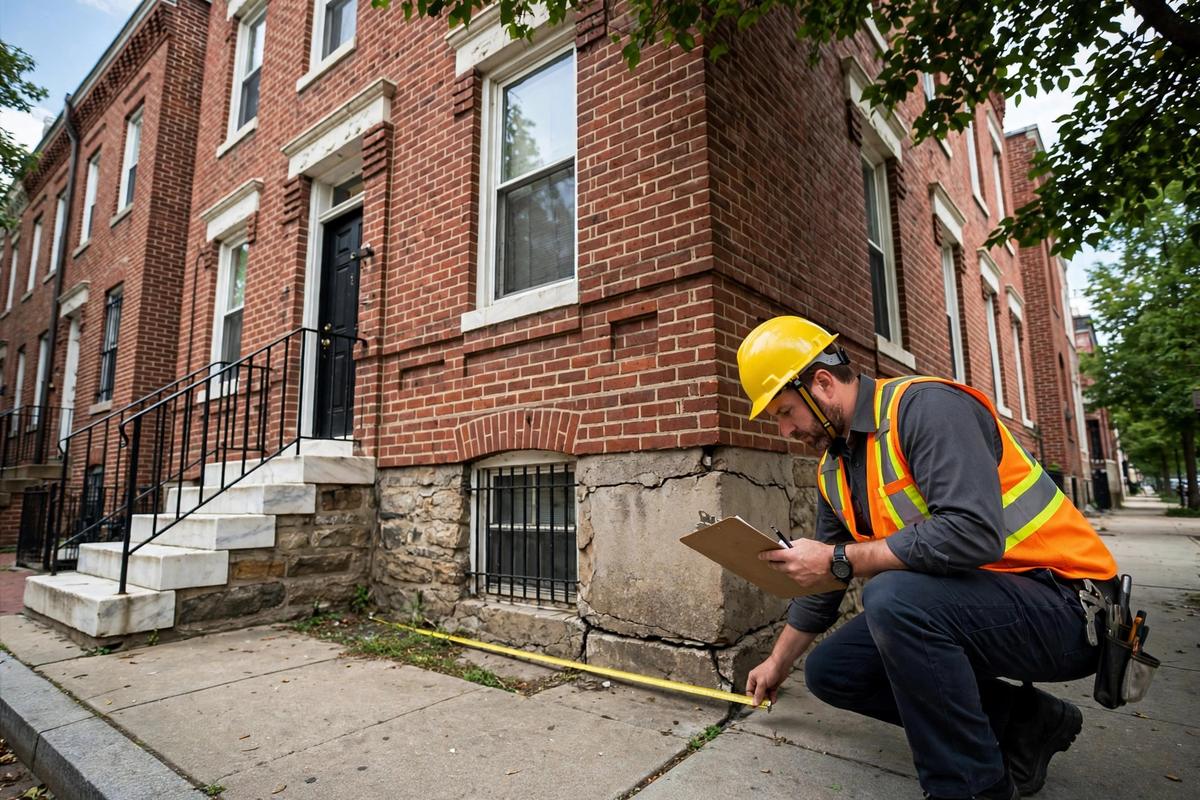
Washington's housing stock is old, characterful and — in a meaningful share of homes — carrying some foundation history: a settled corner, a repaired crack, a waterproofed basement. For buyers, the skill is distinguishing the manageable from the money pit, quickly enough to act within a contingency window. This playbook lays out the steps: how to read the initial findings, what a specialist evaluation adds, how to turn repair scopes into negotiation, and the documentation that makes a repaired foundation a non-issue for your own future sale.
General inspectors flag foundation observations — cracks, moisture, slope — and rightly recommend specialist follow-up; their report is a screening, not a diagnosis. Note the specifics: crack type and width, wall displacement, active versus historical water, and whether the concern is structural or maintenance-level. Cosmetic and stable items (an old, sealed crack with no associated movement) are common in DC's older homes and are priced very differently from active settlement or a bowing wall.
Within your inspection period, have a foundation provider evaluate the property: elevation measurements, crack and wall assessment, drainage review and a written scope with pricing for any recommended work. This document is the pivot of everything that follows — it converts 'foundation issues' into a defined condition with a defined remedy. Sellers who have already had the work done should be asked for the same class of paperwork: contracts, diagrams and warranty documents for any installed systems.
Armed with a real scope, buyers can request the repair be completed before closing, a credit at the documented cost, or a price adjustment — each with trade-offs around control of the work and timing. Undocumented fears negotiate badly for everyone; both sides do better with a number attached to a plan. If the evaluation finds only monitoring-level items, that clarity is itself valuable: you can proceed, eyes open, with a maintenance plan and dated baseline measurements.
Keep the evaluation, any repair contracts, system diagrams and warranty papers together from day one — they are your disclosure file when you eventually sell, and proof that issues were handled professionally. Then maintain the cheap insurance: gutters, downspouts, grading and an annual look at the basement or crawl space. To arrange a buyer's evaluation in Washington, DC Foundation Pros can connect you with a local provider who will inspect, document and price the findings within your decision window.
It is also worth remembering how much Washington housing varies within a few blocks. A single street can hold 1890s brick row houses on stone foundations, 1920s colonials on block, post-war homes on poured concrete and recent construction with modern drainage — each aging differently under the same weather. Clay content in the soil changes across the District as well, which is why two neighbors can have genuinely different foundation experiences. Local providers see that variety every week, and their pattern recognition matters: they know which neighborhoods sit on troublesome soil, which eras of construction used which foundation materials, and which repair methods have proven themselves on each. When you read general national advice about foundations, translate it through that local lens — or better, ask a provider who works in Washington to translate it for your address.
For the services behind this guide, start with our foundation services in Washington, DC overview, compare foundation repair with a professional foundation inspection, or go straight to foundation repair in Washington, DC on the homepage.
Whatever you decide, three habits protect homeowners: get the scope in writing with methods and areas named; clarify what happens if hidden conditions are found once work opens the wall or soil; and keep every document — evaluation, contract, diagrams, warranty papers — in one file for the day you sell or refinance. If you would like the first step handled for you, DC Foundation Pros exists for exactly that: call (202) 449-5049, describe your home and what you have noticed, and we will connect you with an independent local foundation provider. There is no obligation — just a shorter path from worry to a professional, documented opinion.
Calling DC Foundation Pros takes a few minutes. We ask what you have noticed — when it started, whether it is changing, which part of the house is involved — and where in Washington you are. We then match you with an independent local provider whose work fits the problem: repair, waterproofing, stabilization, drainage or evaluation. You speak with the provider directly, schedule the inspection at a time that suits you, and receive their findings and any proposal in writing. The decision to proceed, and every term of the work, is between you and the provider. The referral itself is free, the lines are answered around the clock, and there is no obligation at any point — the service exists to replace a week of searching and callbacks with one conversation.
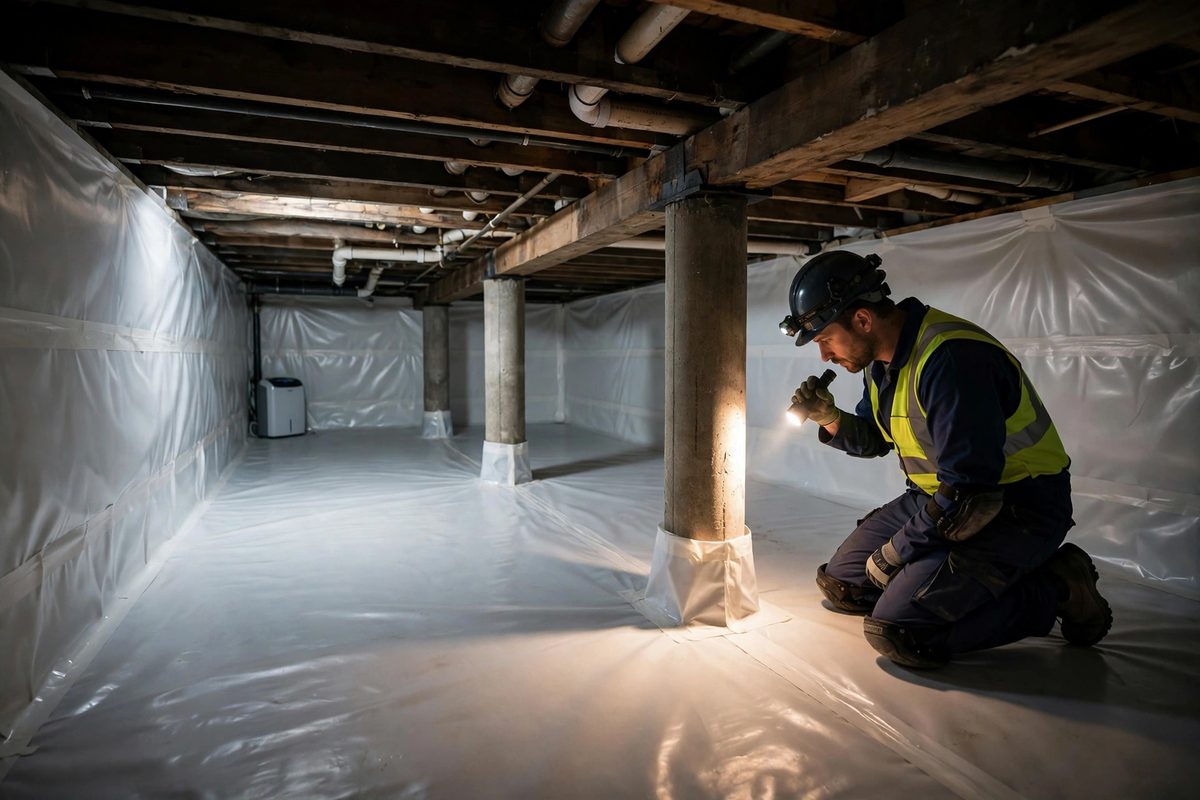
Vapor barriers, sealed vents, drainage and dehumidification — how encapsulation turns a damp crawl space into a clean, dry part of the house.
Read the guide →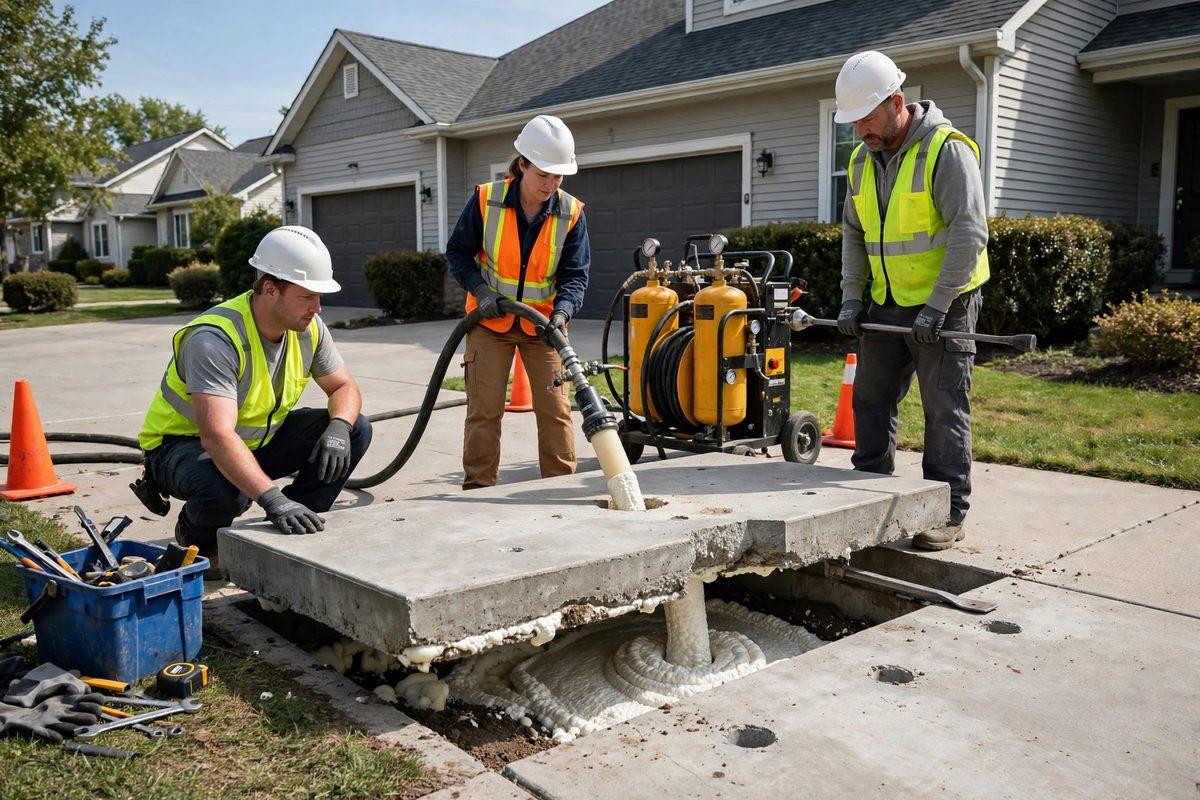
Both methods raise sunken slabs by filling the void beneath. How they differ in material, holes, weight and longevity — and when replacement beats both.
Read the guide →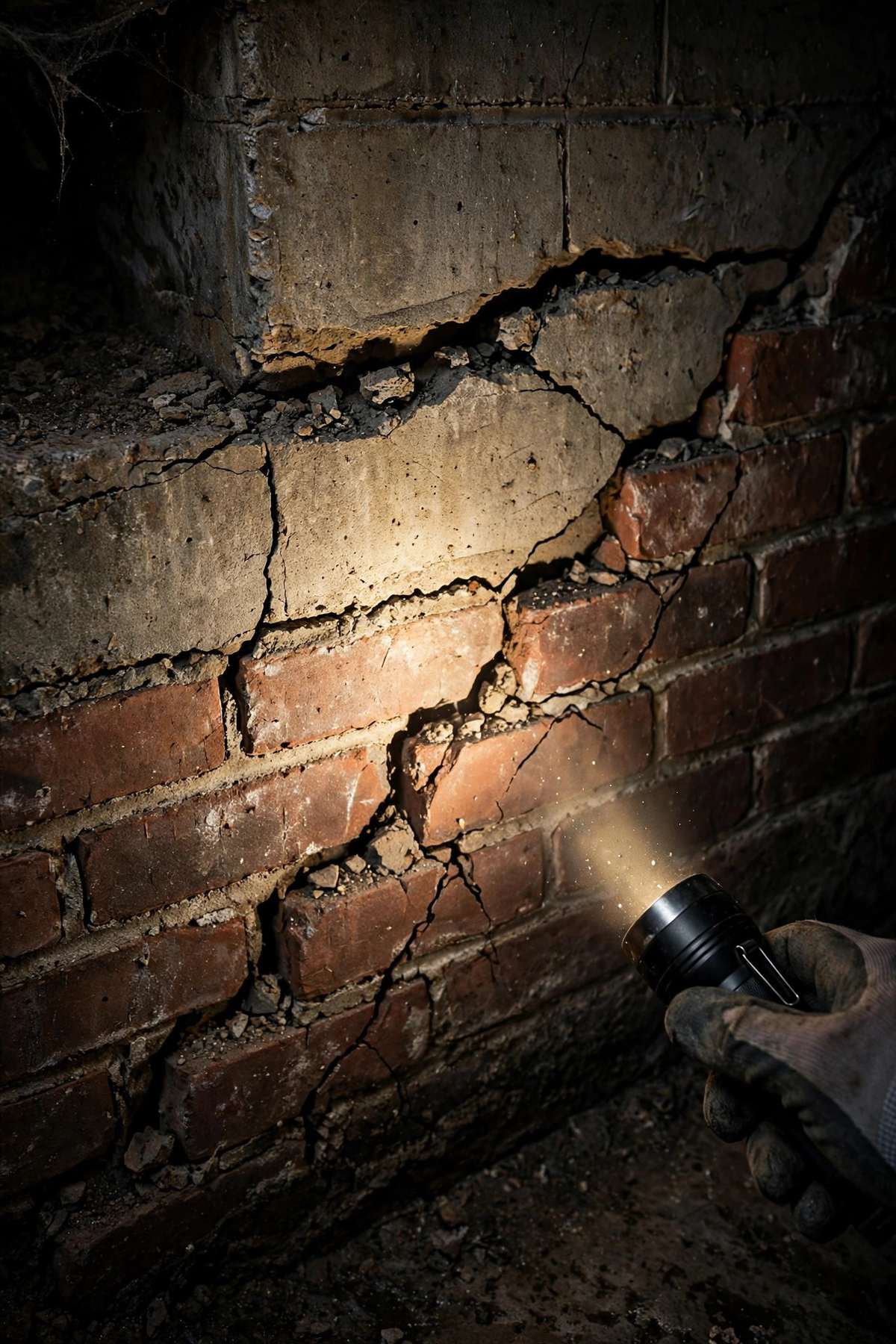
Soil pressure bows basement walls inward over years. How to measure the movement, and when carbon fiber, anchors or bracing are the right fix.
Read the guide → DC Foundation Pros
Call DC Foundation Pros now and we will connect you with an independent local foundation provider in Washington, DC — no pressure, no obligation. Lines are open 24/7.