Before poured concrete, Washington built on stone and brick. Many of the District's oldest homes stand on rubble-stone foundation walls — irregular stones laid in lime mortar — that have carried their houses for a century or more. These walls are genuinely strong, but they age by their mortar, and they punish modern repair methods applied carelessly. This guide explains how stone foundations work, the failure patterns to watch for, and the repair approaches — repointing, drainage and selective rebuilding — that keep them serving for another century.
How Stone Foundation Walls Work
A stone foundation is a mass wall: stones in compression, bound by mortar that was always the sacrificial element — softer than the stone so it absorbs movement and weathering and can be renewed. The wall spreads the building's load over a wide footing of larger stones. Its enemies are water (which softens and leaches mortar), displacement from soil pressure, and well-meant repairs in hard modern cement mortar, which is stronger than the stones themselves and forces damage into them instead of the joints.
Failure Patterns to Watch
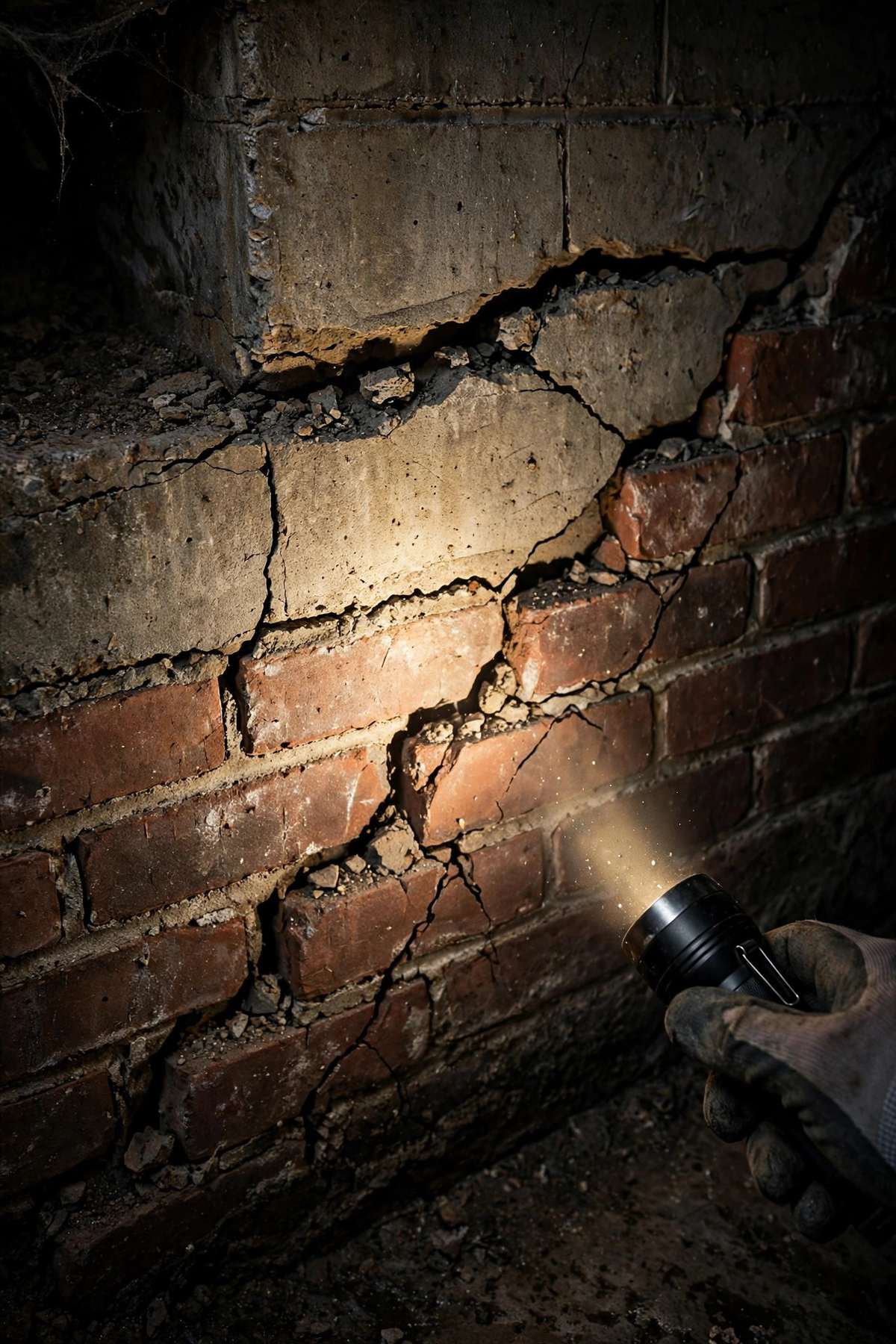
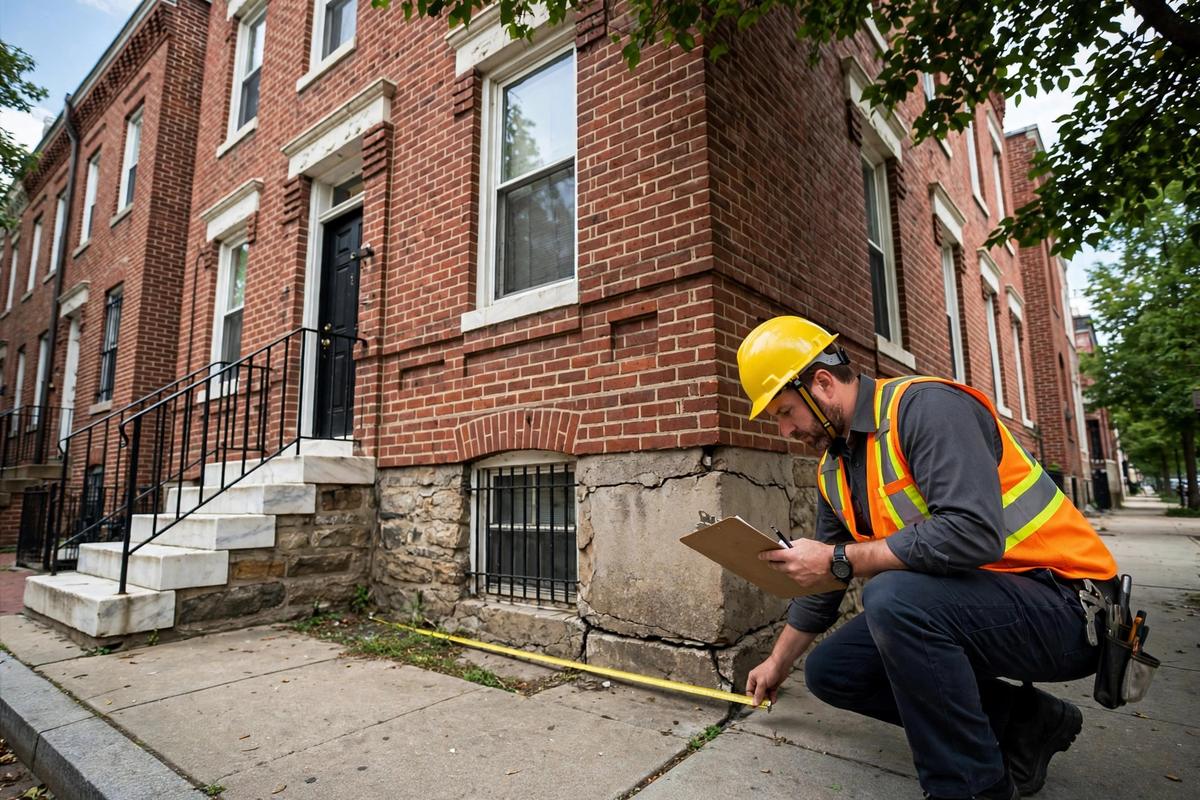
Mortar that has recessed deeply, turned to sand, or washed out between stones is the classic early sign. Bulging or leaning sections indicate the wall's two faces are separating or soil pressure is winning. Efflorescence and damp at the interior face point to water migrating through the wall. Individual stones rarely fail; patterns of mortar loss plus displacement are the story. Document with photos, and measure any bulge against a straightedge so change over time is provable rather than impressionistic.
Repointing and Structural Repair
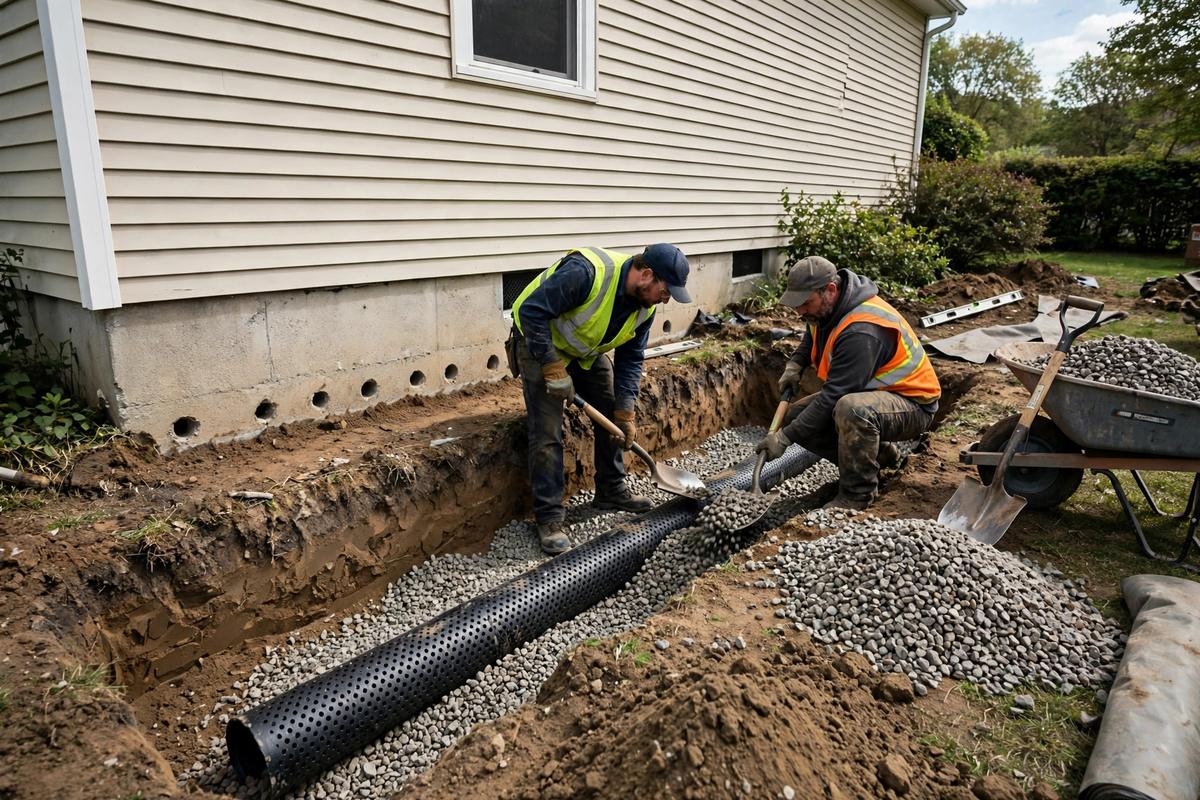
Repointing — raking out failed mortar and replacing it with a compatible mix, typically lime-based for historic walls — is the core maintenance skill for stone foundations, restoring the wall's unity and shedding ability. Deeper problems may call for selective rebuilding of a section, grouting of voided cores, or interior reinforcement, ideally under guidance from a mason or engineer experienced with historic masonry. Interior drainage often accompanies the work, relieving the water pressure that accelerates mortar decay.
Choosing Help for a Historic Foundation
Ask directly about experience with stone and lime mortar; a provider whose world is poured concrete may reach for methods that harm a stone wall. The right proposal explains mortar choice, staging (never stripping a whole wall at once), and how water will be managed during and after. Through DC Foundation Pros you can connect with providers familiar with Washington's older foundations, who will assess your wall's condition and explain repair options appropriate to its construction — not despite it.
The Washington, DC Context
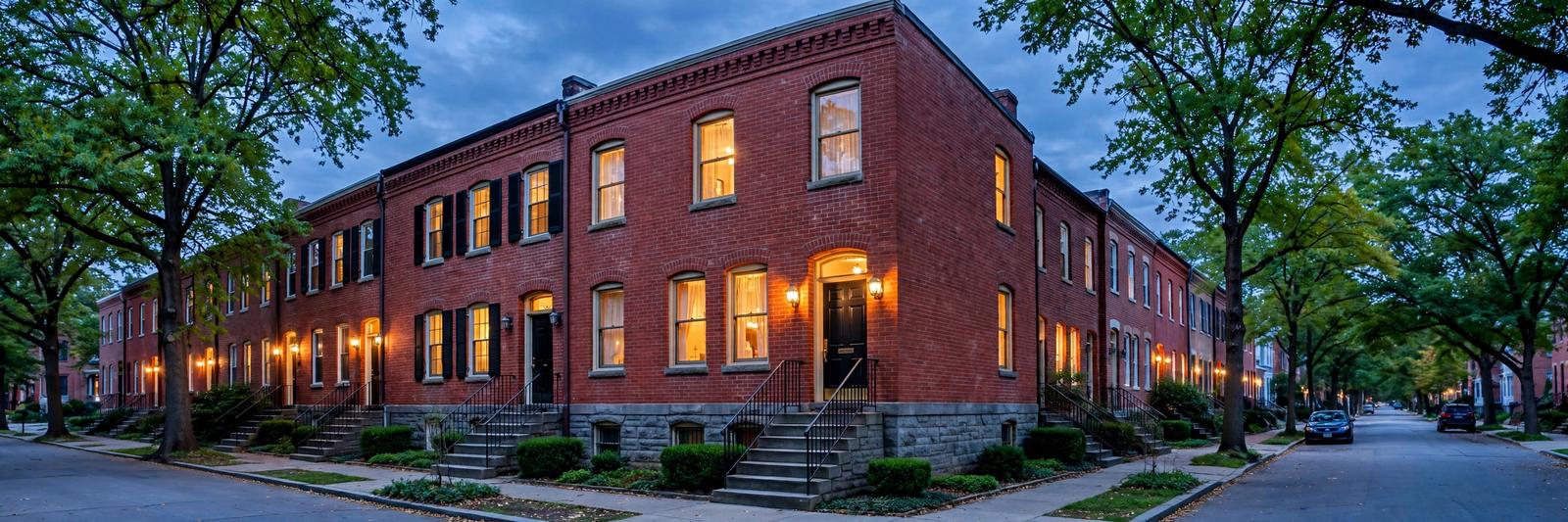
Washington adds local wrinkles to every foundation topic on this page. Much of the District's housing predates poured-concrete foundations: brick and rubble-stone foundation walls, shared party walls in row houses, and cellars that were never designed as living space now serve as finished lower levels. Soils across much of the city carry clay that swells when wet and shrinks in drought, and winters cycle through freeze and thaw often enough to ratchet small cracks wider season after season. Intense summer downpours complete the picture, delivering roof and yard water faster than aging drainage can move it. Advice that ignores those conditions misses the point — the right choice for a Capitol Hill row house is not automatically the right choice for a detached home in Chevy Chase, and any provider worth hiring will ask about your specific house, its era and its walls before recommending a direction.
For the services behind this guide, start with our foundation services in
Washington, DC overview, compare foundation repair with
a professional foundation inspection, or go straight to
foundation repair in Washington, DC on the homepage.
Diagnose First, Then Decide
Nearly every foundation question eventually becomes a choice between repair, stabilization, waterproofing or monitoring — and the wrong sequence wastes money. Cosmetic repairs made before movement is stabilized simply fail again; waterproofing installed against the wrong water source disappoints; piers installed where drainage correction would have sufficed overspend the problem. The reliable order is diagnosis first: measured elevations, mapped cracks, an identified water source, and a written statement of whether the condition is active or historical. With that in hand, the options price themselves honestly, and you can compare providers on identical scope. Insist on documentation rather than adjectives — a provider who measures and photographs is a provider whose recommendation you can test.
What Happens When You Call
Calling DC Foundation Pros takes a few minutes. We ask what you have noticed — when it started, whether it is changing, which part of the house is involved — and where in Washington you are. We then match you with an independent local provider whose work fits the problem: repair, waterproofing, stabilization, drainage or evaluation. You speak with the provider directly, schedule the inspection at a time that suits you, and receive their findings and any proposal in writing. The decision to proceed, and every term of the work, is between you and the provider. The referral itself is free, the lines are answered around the clock, and there is no obligation at any point — the service exists to replace a week of searching and callbacks with one conversation.