Signs Your Foundation Is Settling — and When to Worry
Sticking doors, stair-step cracks, gaps at trim and sloping floors: which settlement signs are cosmetic and which mean the foundation is moving.
Read the guide →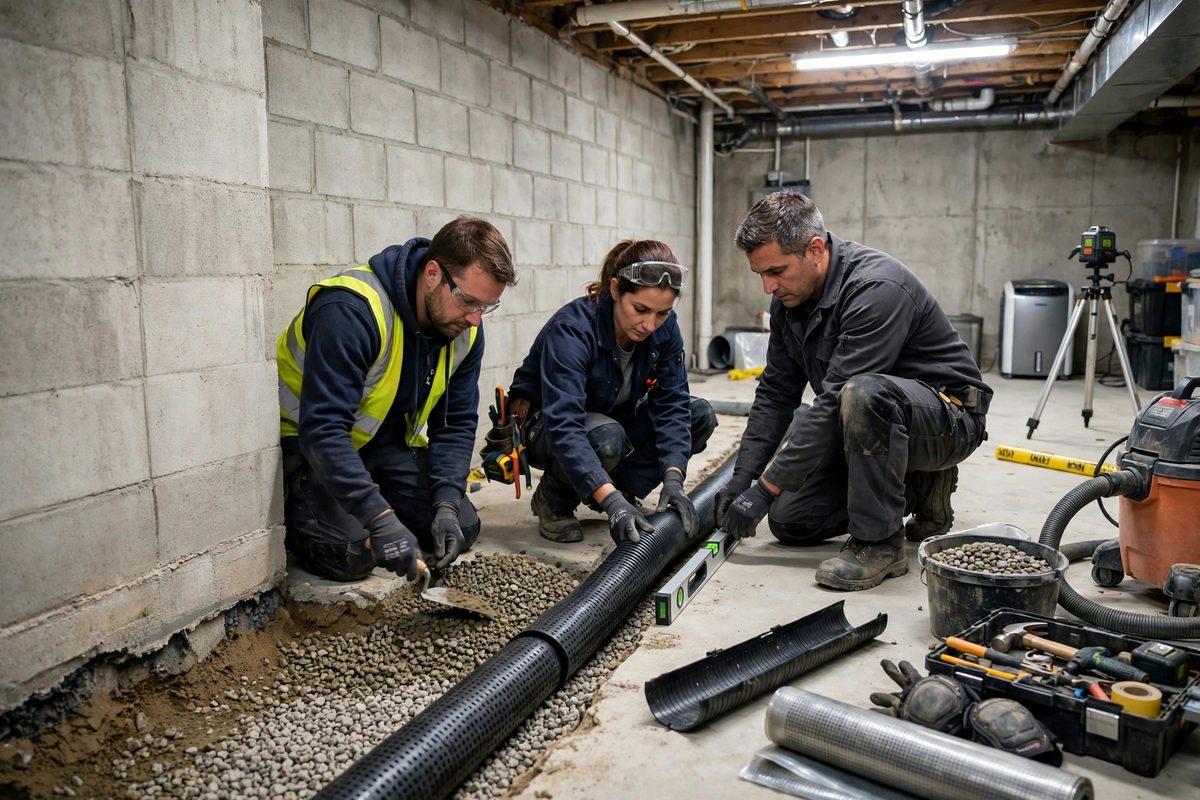
Water in the basement is a symptom; the fix depends on which of a handful of causes is behind it. Treating groundwater pressure with a dehumidifier, or condensation with a drainage system, wastes money both ways. Washington basements contend with heavy rain events, clay soils, aging housing stock and high summer humidity — a full menu of moisture sources. This guide profiles the six usual suspects, the evidence each one leaves, and the solutions that match, so you can walk into any provider conversation already knowing the likely story.
The most fixable causes live outside. Clogged or undersized gutters overflow at the foundation line, and downspouts that discharge at the wall deliver roof water exactly where it does the most harm. Grading that slopes toward the house — often created as soil and mulch settle over years — completes the invitation. The evidence: leaks after rain that track with roof runoff, worst at walls below gutter failures. The fixes are unglamorous and effective: maintain gutters, extend downspouts well away, and regrade soil to shed water.
Groundwater shows up as water rising at the floor-wall joint, floor cracks weeping, or seepage that increases after sustained rain and lingers after storms pass. Hydrostatic pressure is the mechanism, and interior drainage with a sump pump is the standard management. Discrete cracks are a separate suspect: a single wall crack that drips in rain often accepts injection repair once any structural cause is ruled out. The evidence is location — one crack, one wet trail — versus the generalized damp of pressure-driven water.
Plumbing leaks masquerade as foundation problems: a slow supply or drain leak can soak a wall area in any weather, including dry spells — timing is the tell. Condensation is the summer impostor: humid air meeting cold water pipes and ductwork drips onto floors and mimics seepage, while walls feel damp without any entry point. Insulating pipes, controlling humidity and verifying with a simple plastic-sheet test on the wall (moisture behind the sheet means entry; moisture on the room side means condensation) separates the two.
Match the solution to the suspect: exterior water discipline for runoff, drainage and sump systems for groundwater, injection for cracks, a plumber for plumbing, humidity control for condensation. A waterproofing evaluation should test for these in order and show you the evidence. Through DC Foundation Pros, a local provider can inspect your basement and identify which suspect — or combination — is at work in your home, so the money you spend lands on the actual cause.
Washington adds local wrinkles to every foundation topic on this page. Much of the District's housing predates poured-concrete foundations: brick and rubble-stone foundation walls, shared party walls in row houses, and cellars that were never designed as living space now serve as finished lower levels. Soils across much of the city carry clay that swells when wet and shrinks in drought, and winters cycle through freeze and thaw often enough to ratchet small cracks wider season after season. Intense summer downpours complete the picture, delivering roof and yard water faster than aging drainage can move it. Advice that ignores those conditions misses the point — the right choice for a Capitol Hill row house is not automatically the right choice for a detached home in Chevy Chase, and any provider worth hiring will ask about your specific house, its era and its walls before recommending a direction.
For the services behind this guide, start with our foundation services in Washington, DC overview, compare foundation repair with a professional foundation inspection, or go straight to foundation repair in Washington, DC on the homepage.
Nearly every foundation question eventually becomes a choice between repair, stabilization, waterproofing or monitoring — and the wrong sequence wastes money. Cosmetic repairs made before movement is stabilized simply fail again; waterproofing installed against the wrong water source disappoints; piers installed where drainage correction would have sufficed overspend the problem. The reliable order is diagnosis first: measured elevations, mapped cracks, an identified water source, and a written statement of whether the condition is active or historical. With that in hand, the options price themselves honestly, and you can compare providers on identical scope. Insist on documentation rather than adjectives — a provider who measures and photographs is a provider whose recommendation you can test.
Calling DC Foundation Pros takes a few minutes. We ask what you have noticed — when it started, whether it is changing, which part of the house is involved — and where in Washington you are. We then match you with an independent local provider whose work fits the problem: repair, waterproofing, stabilization, drainage or evaluation. You speak with the provider directly, schedule the inspection at a time that suits you, and receive their findings and any proposal in writing. The decision to proceed, and every term of the work, is between you and the provider. The referral itself is free, the lines are answered around the clock, and there is no obligation at any point — the service exists to replace a week of searching and callbacks with one conversation.
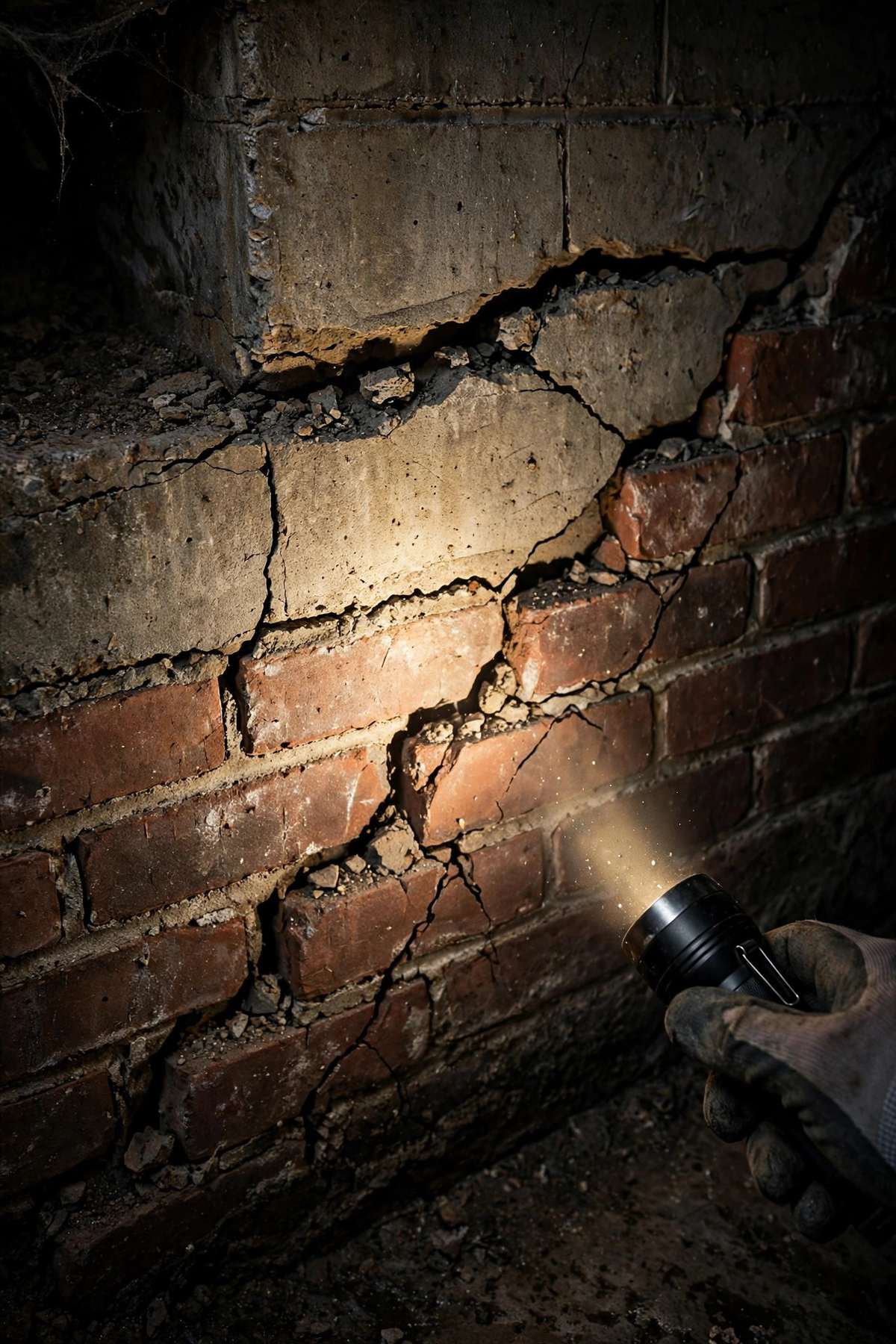
Sticking doors, stair-step cracks, gaps at trim and sloping floors: which settlement signs are cosmetic and which mean the foundation is moving.
Read the guide →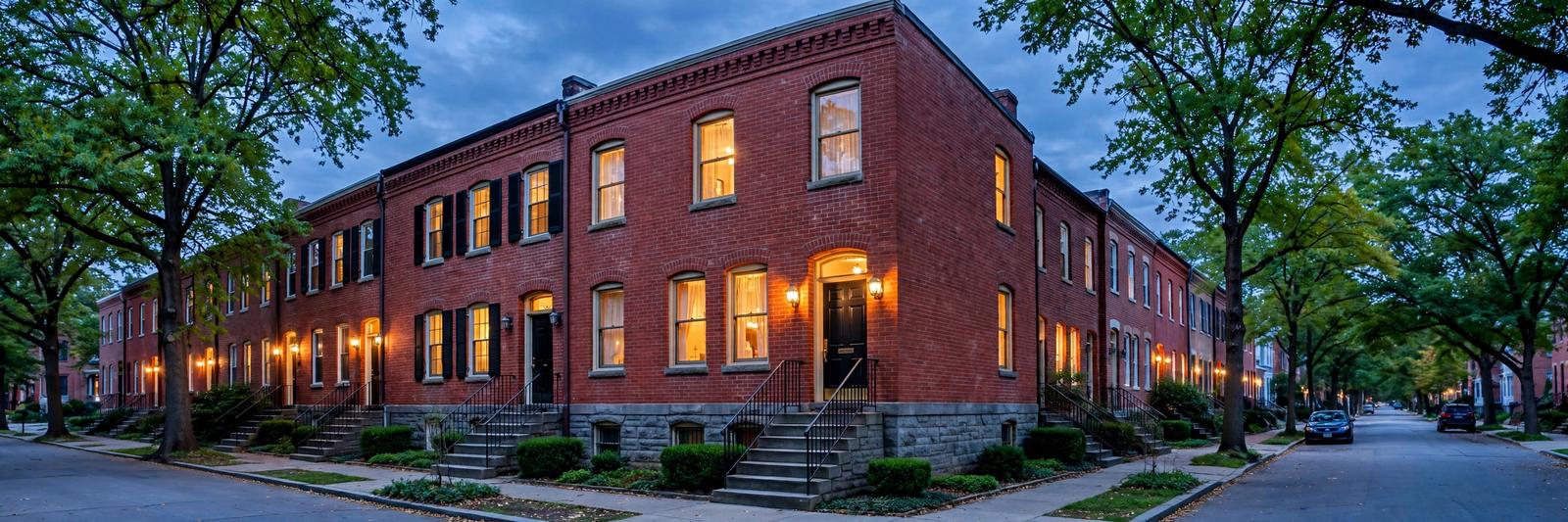
Roots rarely crack sound foundations — but they do dry clay soil and invade damaged pipes. What trees actually do near DC homes.
Read the guide →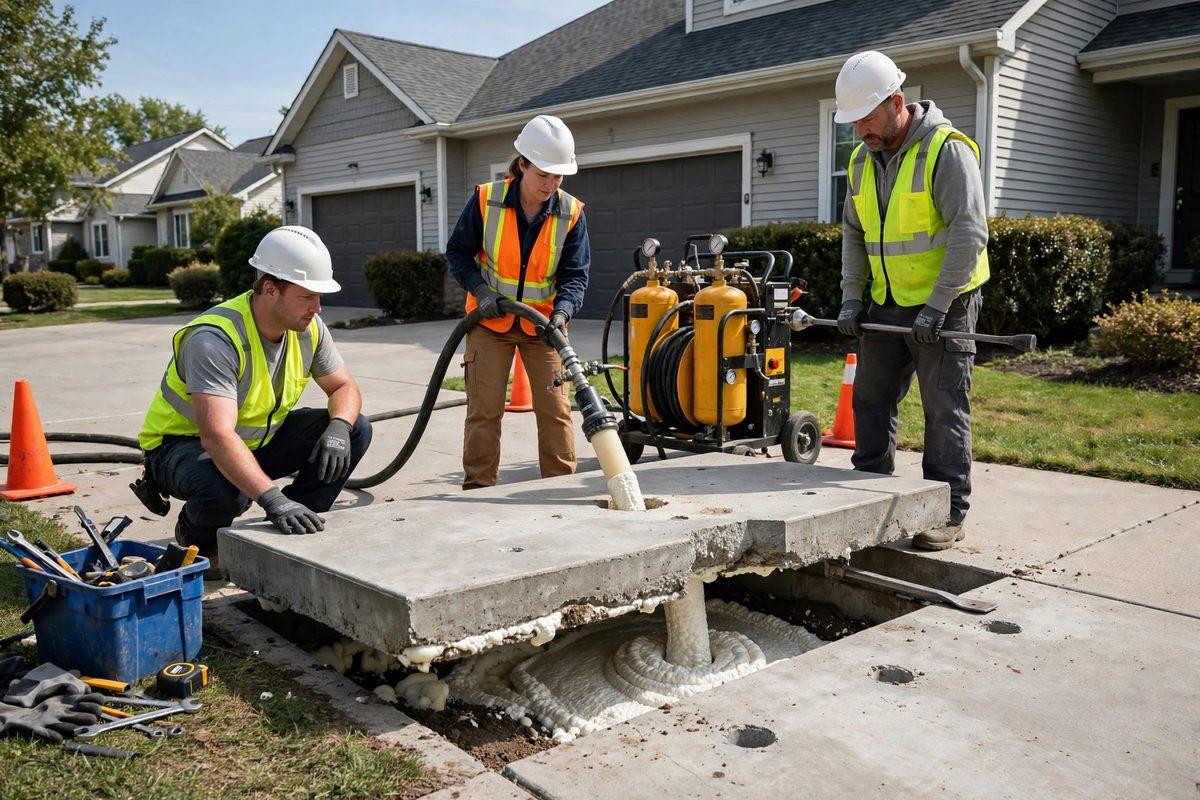
Both methods raise sunken slabs by filling the void beneath. How they differ in material, holes, weight and longevity — and when replacement beats both.
Read the guide → DC Foundation Pros
Call DC Foundation Pros now and we will connect you with an independent local foundation provider in Washington, DC — no pressure, no obligation. Lines are open 24/7.