Foundation Repair Warranties: Questions to Ask Before You Sign
What a foundation warranty actually covers depends on the fine print: scope, transferability, exclusions and who stands behind it. How to read one.
Read the guide →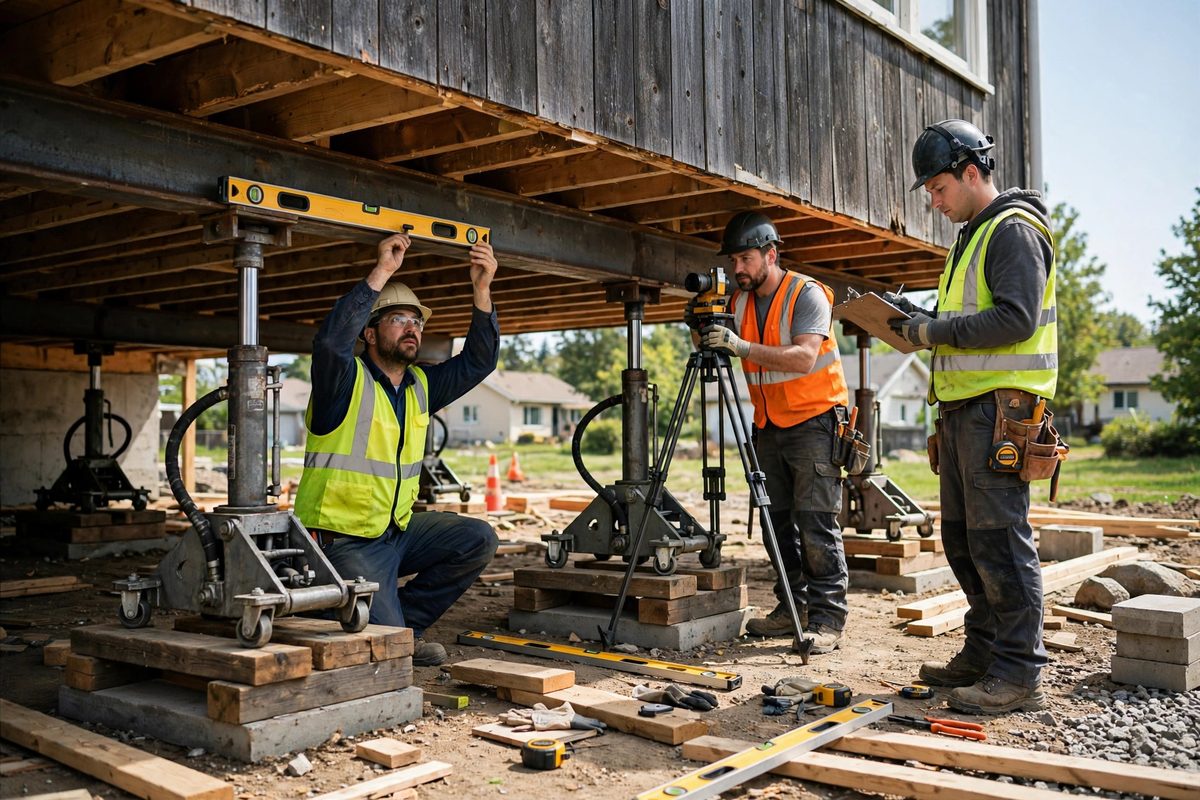
A marble rolls across the living room floor, and the homeowner's mind goes straight to the foundation. Sometimes rightly — settlement does slope floors. But floors also sag when crawl space supports sink, when joists are undersized or damaged, or when a century-old house simply carries the gentle unevenness of its era. The distinction decides whether the fix is piers, interior supports, framing repair or nothing structural at all. This guide explains how professionals separate the causes, and the evidence patterns that point each way.
Foundation settlement typically tilts floors toward one side or corner of the house, with the slope increasing toward the settling wall, and it brings friends: stair-step cracks outside, racked doors on that side, gaps at the perimeter. Framing or support problems usually create a dip or bounce in the middle of a room or span, while the perimeter stays true. Mapping where the floor is high, low and level — a long level or elevation survey does this — produces the fingerprint that identifies the cause.
In pier-and-beam and crawl space construction, interior support posts carry the middle of the house. Posts that have sunk into soft soil, rotted at the base, or were shimmed carelessly decades ago let beams — and the floors above — sag exactly where support failed. These dips look alarming from above and are often straightforward to correct: new footings and supports, beam lifting and proper shimming, ideally combined with moisture control so the new work lasts.
Joists weakened by plumbing cuts, insect damage or long-term moisture deflection can bow between their supports; overloaded spans in modern renovations (stone counters, libraries, tubs) deflect under new weight. And some slope is simply age: many older DC homes were never perfectly level, and gentle, stable unevenness with no associated cracking or change may need no intervention at all. The question is always whether it is moving — dated measurements over time answer it.
Because the fixes differ so much in scope and cost, diagnosis is the money-saving step: an evaluator checks the foundation, measures floor elevations, and inspects the crawl space or basement supports and framing before recommending anything. If a contractor quotes piers from the living room without looking underneath, keep looking. DC Foundation Pros can connect you with a local provider who will evaluate the whole system — foundation, supports and framing — and explain which problem you actually have.
It is also worth remembering how much Washington housing varies within a few blocks. A single street can hold 1890s brick row houses on stone foundations, 1920s colonials on block, post-war homes on poured concrete and recent construction with modern drainage — each aging differently under the same weather. Clay content in the soil changes across the District as well, which is why two neighbors can have genuinely different foundation experiences. Local providers see that variety every week, and their pattern recognition matters: they know which neighborhoods sit on troublesome soil, which eras of construction used which foundation materials, and which repair methods have proven themselves on each. When you read general national advice about foundations, translate it through that local lens — or better, ask a provider who works in Washington to translate it for your address.
For the services behind this guide, start with our foundation services in Washington, DC overview, compare foundation repair with a professional foundation inspection, or go straight to foundation repair in Washington, DC on the homepage.
Whatever you decide, three habits protect homeowners: get the scope in writing with methods and areas named; clarify what happens if hidden conditions are found once work opens the wall or soil; and keep every document — evaluation, contract, diagrams, warranty papers — in one file for the day you sell or refinance. If you would like the first step handled for you, DC Foundation Pros exists for exactly that: call (202) 449-5049, describe your home and what you have noticed, and we will connect you with an independent local foundation provider. There is no obligation — just a shorter path from worry to a professional, documented opinion.
Calling DC Foundation Pros takes a few minutes. We ask what you have noticed — when it started, whether it is changing, which part of the house is involved — and where in Washington you are. We then match you with an independent local provider whose work fits the problem: repair, waterproofing, stabilization, drainage or evaluation. You speak with the provider directly, schedule the inspection at a time that suits you, and receive their findings and any proposal in writing. The decision to proceed, and every term of the work, is between you and the provider. The referral itself is free, the lines are answered around the clock, and there is no obligation at any point — the service exists to replace a week of searching and callbacks with one conversation.

What a foundation warranty actually covers depends on the fine print: scope, transferability, exclusions and who stands behind it. How to read one.
Read the guide →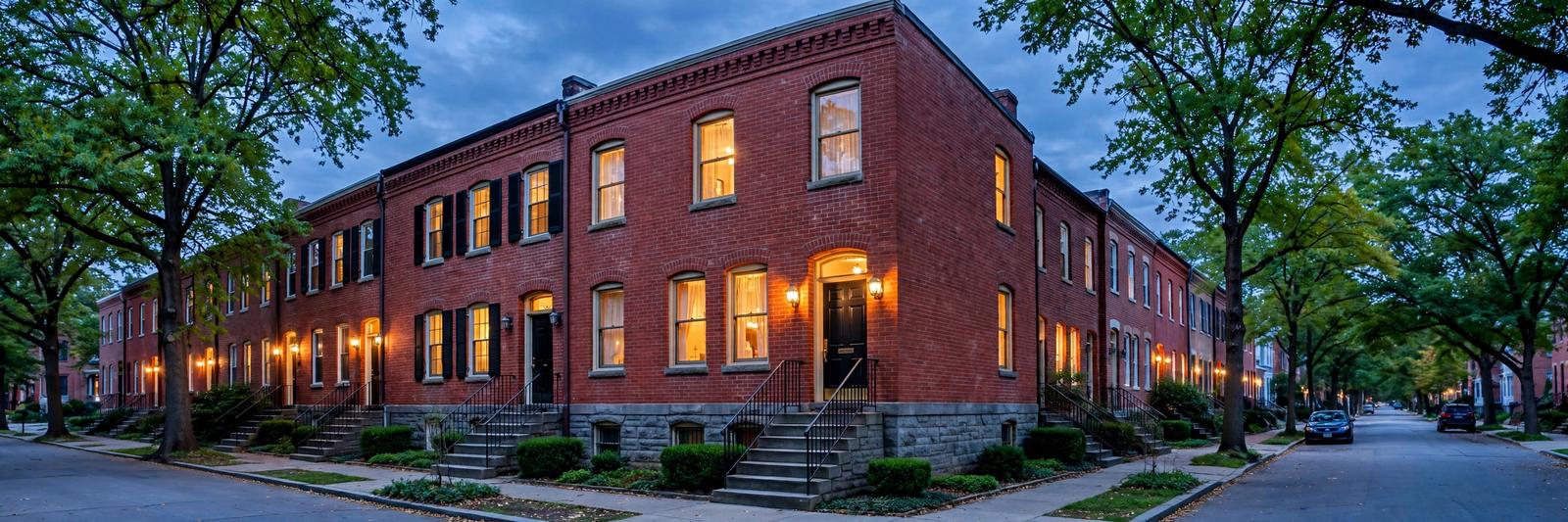
Disclose, repair, or price accordingly? How foundation problems affect a DC home sale, and how documentation helps both sides.
Read the guide →
Roots rarely crack sound foundations — but they do dry clay soil and invade damaged pipes. What trees actually do near DC homes.
Read the guide → DC Foundation Pros
Call DC Foundation Pros now and we will connect you with an independent local foundation provider in Washington, DC — no pressure, no obligation. Lines are open 24/7.